Types of Asbestos Testing: PLM, TEM & Air Sampling Explained
Broward County asbestos testing relies on three lab methods for three different questions: Polarized Light Microscopy (PLM, EPA Method 600/R-93/116) identifies asbestos in bulk materials like ceiling texture or floor tile, TEM analyzes air samples for individual fibers, and PCM counts total airborne fiber concentrations during and after abatement clearance testing.
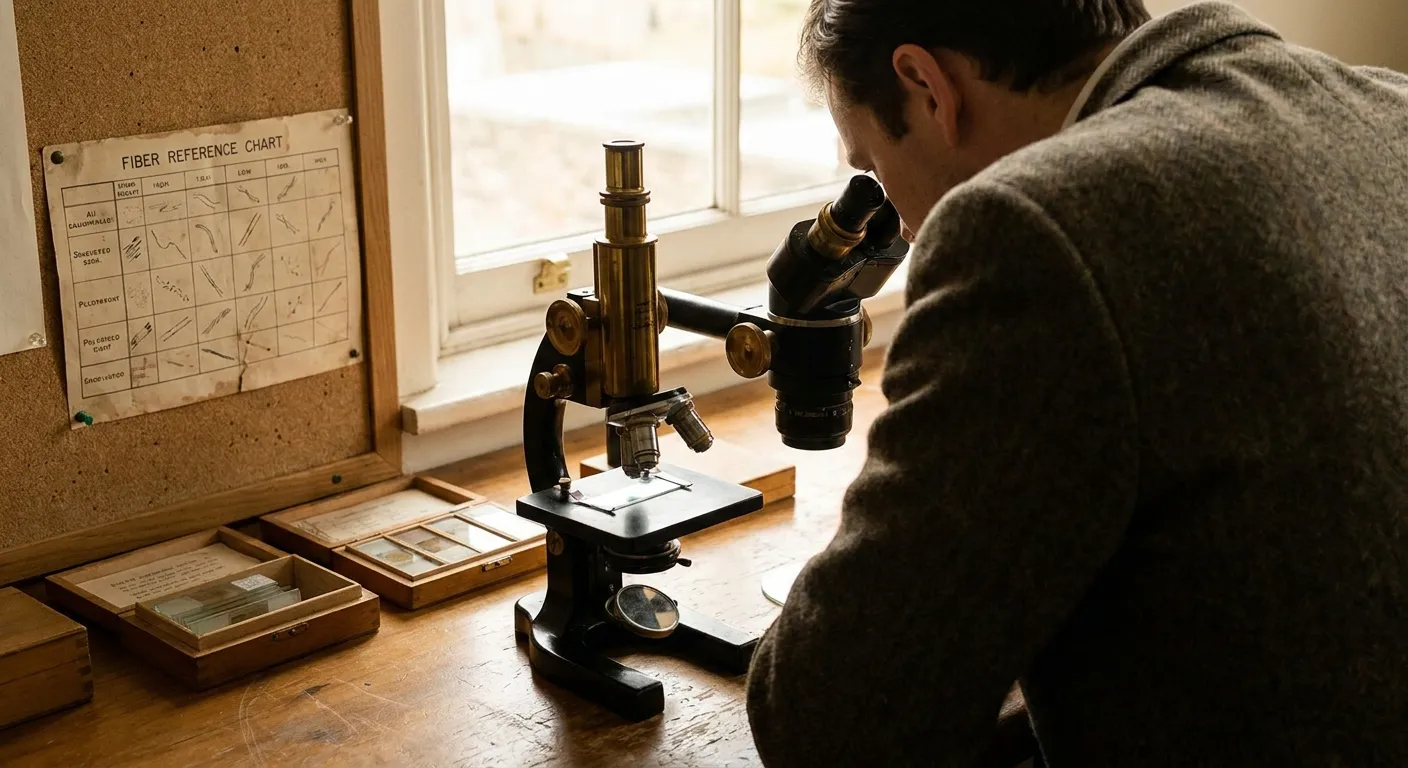
A lab report comes back citing “PLM,” while a quote for a different job mentions “air sampling” or “TEM,” and the two documents don’t seem to describe the same service. Homeowners comparing bids and contractors reading permit conditions run into the same confusion, because three distinct laboratory methods exist for asbestos testing, each answering a different question rather than one company simply being more thorough than another.
What’s the difference between PLM, TEM, and PCM asbestos testing?
PLM, TEM, and PCM are three separate laboratory methods that test different things: Polarized Light Microscopy (PLM) analyzes a physical sample of a bulk material — ceiling texture, floor tile, joint compound, insulation — to determine whether asbestos fibers are present and roughly what percentage, following EPA Method 600/R-93/116; Transmission Electron Microscopy (TEM) examines air or dust samples at far higher magnification to confirm fiber type when a bulk result is inconclusive or when a project needs clearance air testing after abatement; and Phase Contrast Microscopy (PCM) counts total airborne fiber concentration in real time without distinguishing asbestos fibers from other fibers, which makes it useful for monitoring air quality while work is underway but not for a final material identification. Asbestos cannot be identified by sight, only by lab analysis, according to EPA guidance, so the method a lab uses depends entirely on what’s being sampled and why.
| Method | Sample type | What it detects |
|---|---|---|
| PLM (EPA Method 600/R-93/116) | Bulk material (ceiling texture, floor tile, joint compound, insulation) | Presence and approximate percentage of asbestos in a physical material |
| TEM | Air or dust sample | Individual fiber type, used to confirm borderline results or clear a space after abatement |
| PCM | Air sample | Total airborne fiber count, without distinguishing asbestos from other fiber types |
Our licensed inspectors put it plainly: “We match the method to the material, not the other way around — sending a bulk material out for an air-only count would tell you nothing useful, and it would cost you time.” Understanding asbestos testing versus inspection as separate services helps clarify why a single project sometimes involves more than one of these methods.
When does a Broward County asbestos test use PLM bulk sampling?
PLM bulk sampling is the method behind most Broward County asbestos tests, because most jobs start with a specific suspect material that a technician can physically sample rather than an air-quality question. Materials commonly submitted for PLM analysis in this county include:
- Popcorn or textured ceiling material
- 9x9 vinyl floor tile and its black mastic
- Joint compound
- Pipe and duct insulation
These materials were used widely in U.S. construction into the early 1980s, and EPA banned spray-applied asbestos surfacing — popcorn ceilings — for new application back in 1973, though ceilings installed before that ban were never required to be removed. That’s why an inspector samples the material itself in any Broward County home or building from that era rather than assuming a newer-looking surface is automatically clear. A single-family home visit for PLM sampling typically takes 30 to 60 minutes on site, and results usually return in 2 to 3 business days from an accredited lab, with rush turnaround often available. If you’re weighing a popcorn ceiling sample against a broader floor tile check, both fall under the same PLM process — the difference is only which material goes to the lab.
When is air sampling — TEM or PCM — actually necessary instead of bulk sampling?
Air sampling steps in when there’s no accessible bulk material to test directly, when a project requires clearance testing to confirm a space is safe to re-occupy after abatement, or when regulated demolition and renovation work triggers a federal inspection requirement regardless of what a homeowner suspects. Under EPA’s NESHAP rule (40 CFR Part 61, Subpart M), a thorough asbestos inspection is required before demolition or renovation of regulated facilities, and commercial or multi-unit projects frequently combine PLM with air monitoring to satisfy that requirement. Larger Broward County renovation and demolition projects also go through the county’s Asbestos Program: a Statement of Responsibilities Regarding Asbestos filed through the county’s ePermits system, followed by a Certificate of Submittal, according to broward.org. Florida DEP Chapter 62-257 layers on its own timeline for many of these projects, requiring 10 working days’ notice before work can begin. Our asbestos air testing service page covers what an air-sampling visit involves on its own, separate from a standard bulk test, and a pre-demolition asbestos survey is typically where air sampling and bulk sampling get scoped together.
Does the type of test change how confident you can be in the result?
A properly run test is only as reliable as the lab behind it, regardless of which method applies, which is why EPA guidance calls for labs performing PLM, TEM, or PCM analysis to carry NVLAP or AIHA accreditation. That’s worth confirming before paying for any test, since accreditation — not the method name on the invoice — is what backs the result. OSHA has been clear that there is no established safe level of asbestos exposure, so a positive result on even one sample, whatever method produced it, is worth acting on with a licensed abatement contractor rather than sitting on the report. In March 2024, EPA finalized a ban on ongoing use of chrysotile asbestos, the last type still legally used in the U.S. — a reminder that lab-confirmed identification still matters on materials installed decades ago.
Broward Asbestos Testing scopes bulk and air sampling together for homes and buildings across the county, so a project doesn’t end up needing a second visit for a method the first inspector should have caught. If your permit conditions or renovation timeline call for PLM, TEM, PCM, or some combination of the three, get my free quote and we’ll confirm exactly which samples the job needs before anyone shows up.